WORK IN PROGRESS:
|
I have been working in South Bahia, Brazil with artist and activist Regis Bailux, and researcher Raquel Rennó by organizing a series of discussions with leaderships and educators of indigenous Pataxó community of Aldeia Velha, Angelo and Arna Pataxó, visual artist and educator from Coroa Vermelha community Arissana Pataxó, cacique Guaru Pataxó in Aldeia Pe do Monte, and permaculturalist Jurgen Bolz on a project that promotes public debate on contemporary art´s relationship with Brazil´s indigenous movement and Pataxó cultural heritage, re-evaluation of the Brazil´s image regarding its indigenous rights policies, promotion of indigenous agency in Brazilian politics and intellectual sphere, relationship between contemporary Pataxó artisanship, art and activism, and the role of local and international NGOs and Finnish developmental politics in fostering intercultural activities that promote indigenous autonomy.
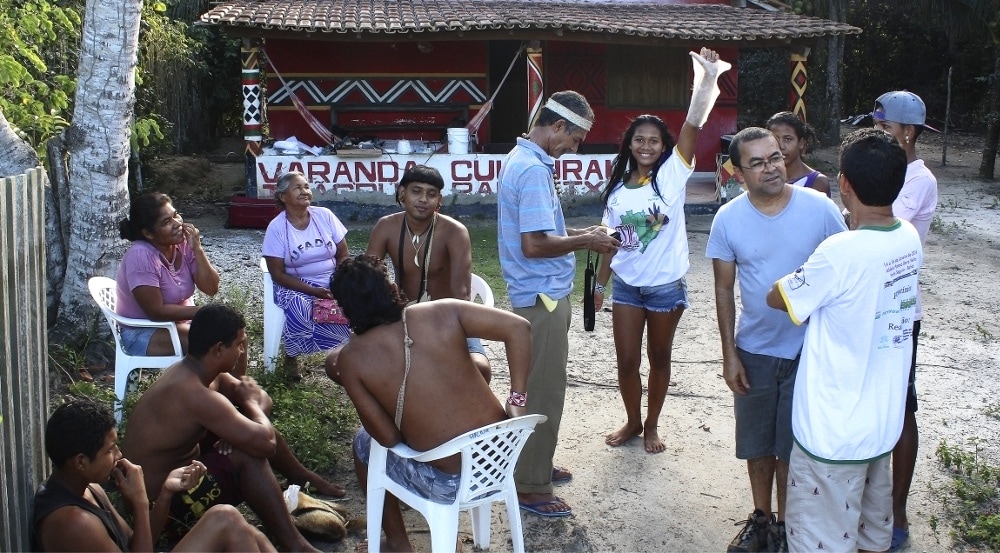
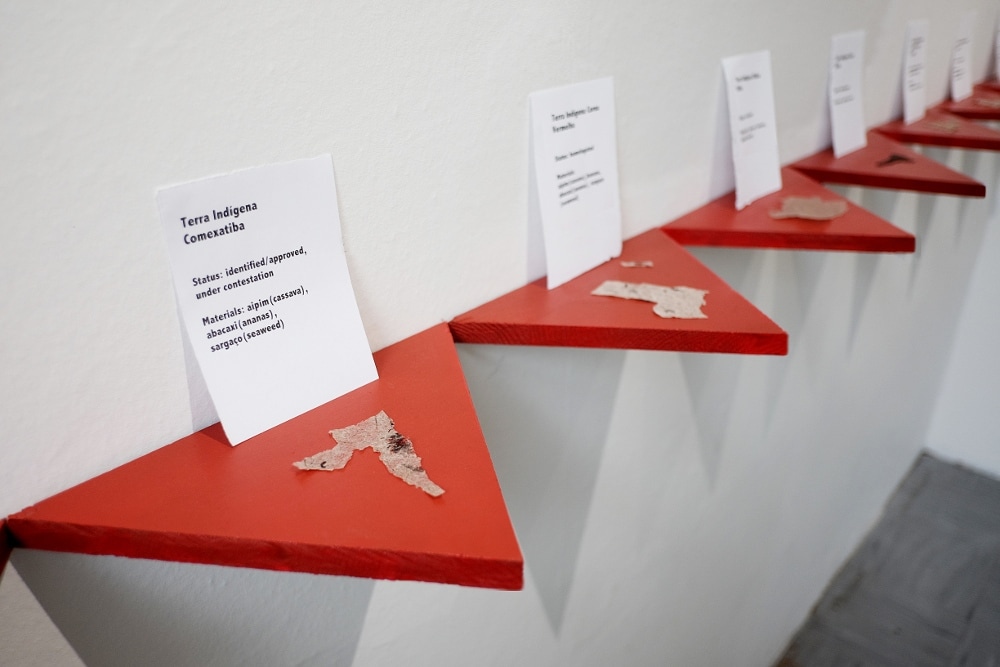
In addition to these discussions indigenous inhabitants of the area were invited to process the beforementioned topics in a more hands-on way by developing an alternative and autonomous paper pulp product in Aldeia Velha as a contrast to the large scale industrial, eucalyptus monocultures based paper pulp production by a Swedish-Finnish company Stora Enso in the area, that has a big cultural impact on the Pataxós and other indigenous and traditional communities who have either direct and open land conflicts with the company or are under the influence of the company due to its Corporate Social Responsibility program, PR in the local media, and use of political power. The results of the first pulp production workshop were presented in Pixelache Festival in september 2016 in a form of installation that combined video and objects made of the self-produced pulp. An unique art book printed on the artisanal paper made of the pulp produced in the workshops and based on the interviews is currently under editing and is expected to be finished in the end of year 2017. |
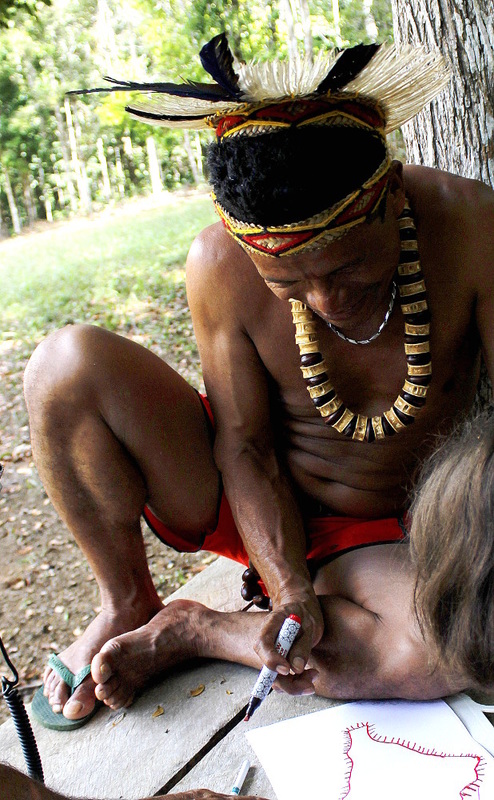
Cacique Guaru Pataxó tries to draw by heart the original Resistance Monument of Indigenous People of Brazil which he attempted to build as part of Pataxós´ group effort in Santa Cruz Cabralia in 2000. The monument was destroyed by military police, and to his knowledge no-one managed to take photographs of it due to the sudden and violent destruction.
|
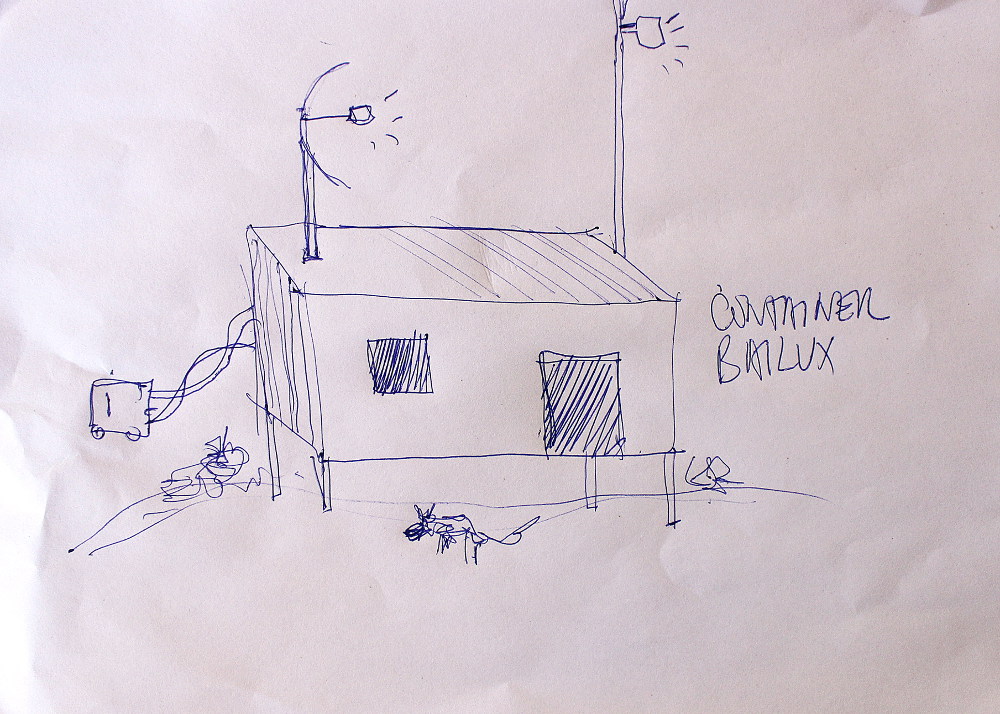
In some point of the discussions Regis Bailux, who has been working in the Porto Seguro area for decades in order to develop a network of diverse actors who share interested in open, replicable and approriate technologies and practices, made this drawing representing his dream: a mobile, self-sufficient and ecologically and socially soft-impact station for creative and socially engaged development of appropriate and affirmative technologies: Container Bailux. The working internet connection seems to be especially important for Regis since he thinks it will boost the interaction of the networked partners considerably.
|
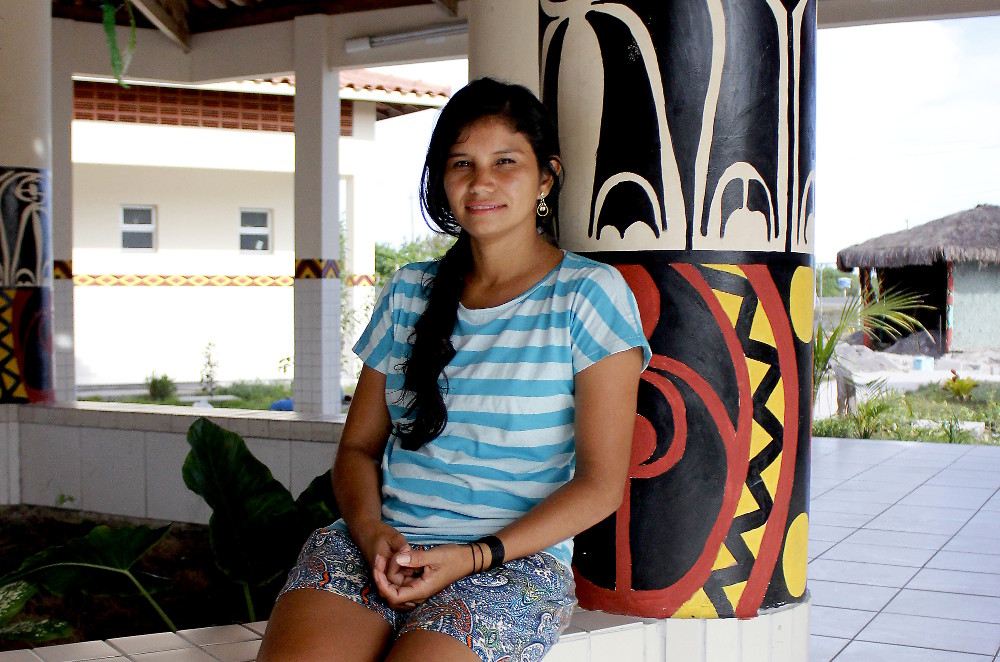
The first discussion was held in the school of Coroa Vermelha´s Pataxó community where artist Arissana Pataxó is working as a teacher. Arissana is one of the first indigenous artists who are nominated for the national PIPA art prize 2016 candidates.
|
